
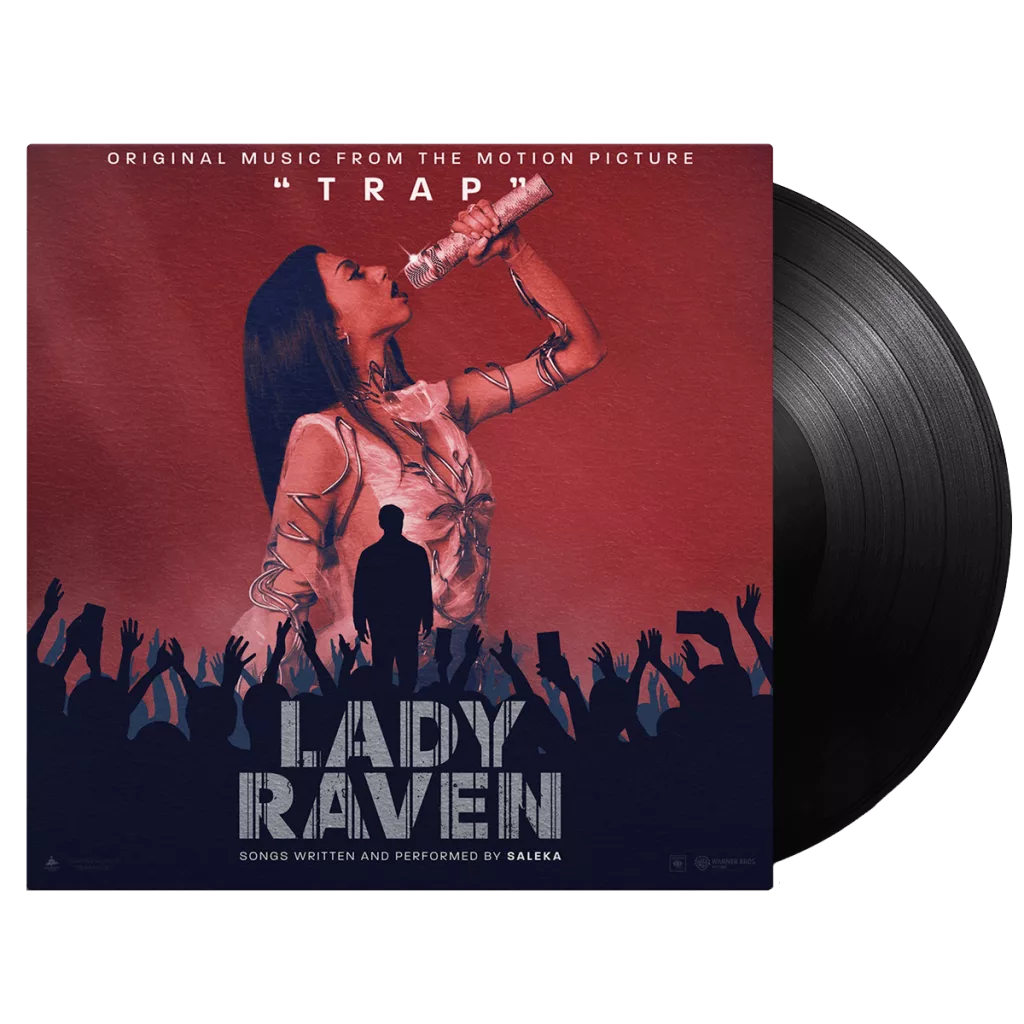
One of the sneakiest things Trap does is use music as structure instead of decoration. A lot of thrillers can drop songs onto the soundtrack and get a quick jolt of mood out of it. Night does something more specific here. The concert setting means the music is happening inside the movie’s world, right in front of the characters, while the tension is rising around them.
That gives Trap a strange split personality, and I mean that as praise.
Lady Raven is more than a celebrity prop
Saleka’s Lady Raven is central to the movie’s design. She is not there to give the crowd something to scream at between suspense beats. The performance is the environment. It shapes the pacing, the public energy, the movement through the arena, and the way Cooper has to keep adjusting his behavior. In a different movie, the concert might have been a backdrop. In Trap, it is the thing squeezing him from all sides.
That is why the songs matter. They are woven into the experience the audience is watching, instead of being stapled on from outside.
Why the soundtrack changes the whole feel of the movie
Saleka’s Lady Raven album reportedly carries fourteen songs tied to the film, while Herdís Stefánsdóttir handles the score on the non-diegetic side. That split is part of what makes the movie work. The pop performance gives Trap its glossy, hyper-visible public face. The score handles the unease under the surface.
That contrast is a huge part of the film’s identity. A bright concert movie and a serial-killer thriller should not sit comfortably together, and in Trap they never fully do. The music keeps reminding us how public, choreographed, and artificial the night is. The suspense keeps reminding us how dangerous it is underneath.
Why Saleka’s presence helps it work
There is also a family-story wrinkle here that makes the whole thing more personal for Night fans. Saleka is not an anonymous hired soundtrack artist. She is part of the creative DNA of the project. That could have felt gimmicky in weaker hands. Instead it gives the film a more specific texture. Lady Raven feels like an actual performer with a real pop vocabulary, which makes the concert side of the movie easier to buy.
If the concert scenes felt fake, the whole balancing act would wobble.
The songs are doing real work in the movie
Even if you strip away the novelty factor, the movie’s music is carrying a lot of the load. The concert keeps Riley emotionally invested in the night. It keeps the crowd behavior believable. It gives Cooper places to hide in plain sight. It also keeps the audience caught between spectacle and dread, which is exactly where Night wants us.
That is why Trap lingers differently than a lot of one-hook thrillers. The music adds more than flavor. It gives the movie a rhythm you can feel scene to scene.
Why this part of Trap is worth revisiting
I do not think the soundtrack conversation around Trap is finished. There is room to talk about individual songs, about the split between Lady Raven material and Stefánsdóttir’s score, and about how often Night uses sound as an emotional trapdoor in his work. But the big point is already clear: the music is doing much more here than filling space between suspense beats.
Without that, Trap would still have a premise. With it, the movie has a tone that is much harder to shake.