
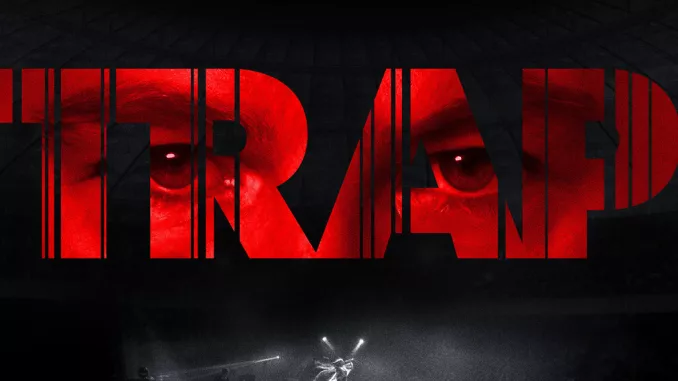
Trap is easy to pitch as the serial-killer-at-a-pop-concert movie. That hook is real, and it is part of the fun. But the movie lands differently once you sit with what Night is actually doing. Under the high-concept setup, this is another story about family pressure, performance, and the terrible things adults tell themselves when they want to stay in control.
The father-daughter setup matters more than it first appears.
A concert night is supposed to feel safe
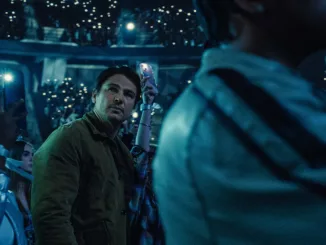
That is one of the film’s smartest choices. Night does not drop Cooper and Riley into a gloomy house or a deserted road. He puts them in a loud, public, brightly lit event that should feel joyful. It is supposed to be memory-making dad territory. Shared songs. A favorite artist. A daughter getting his full attention for a night.
That expectation is what gives Trap its queasy energy. Cooper is trying to play the role of attentive father while the movie steadily reveals how rotten the foundations really are. Riley is right there beside him. She is the living test of whether he can keep the performance going.
Night keeps returning to families under strain
This is not new for him. Signs is really about a father trying to function after grief has hollowed him out. The Village cares deeply about what parents hide from children and what that protection costs. After Earth turns a father-son fracture into survival storytelling. Even when Night is working in bigger genre spaces, he usually comes back to families under pressure.
Trap belongs in that line, but it twists the formula. This time the parent at the center is not damaged-but-trying. He is actively dangerous. The movie asks the audience to sit inside that contradiction for a long time: a man can know how to sound gentle, patient, and familiar while hiding something rotten underneath.
Riley gives the movie an emotional counterweight
She is not there as decoration. Riley gives the film stakes that feel immediate and human. If Cooper were moving through the concert alone, Trap would still work as a pressure-cooker thriller. With Riley beside him, every decision gets uglier. Every close call carries the extra dread of collateral damage. Every fake smile feels more revealing.
That also helps explain why some viewers walked out talking about the movie’s family angle as much as the mechanics of the manhunt. The puzzle is part of it, of course, but so is the discomfort of watching a daughter enjoy a night she believes is real while her father turns the whole thing into cover.
Why the father-daughter angle sticks
What stays with me is not only the plot ingenuity. It is how recognizable the setup feels before it curdles. A dad trying to give his daughter a special night is such an ordinary, legible image. Night uses that familiarity against us. He lets the warmth exist just long enough for us to feel how badly it has been poisoned.
That is where Trap hooks into the larger Shyamalan filmography. He likes stories where home, family, and care get tested hard enough to reveal what was true all along. In Trap, that reveal is brutal. The father-daughter bond is not background texture. It is the part of the movie that keeps hurting after the mechanics of the plot wear off.

Be the first to comment