
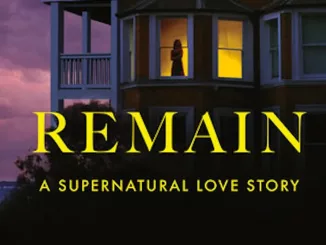
Remain is easy to summarize in headline form now: M. Night Shyamalan, Nicholas Sparks, a supernatural romantic-thriller setup, and an October 23, 2026 release date. But what keeps catching my attention is not just the package. It is what the package suggests about where Night’s instincts are pointing.
This does not feel like a random detour.
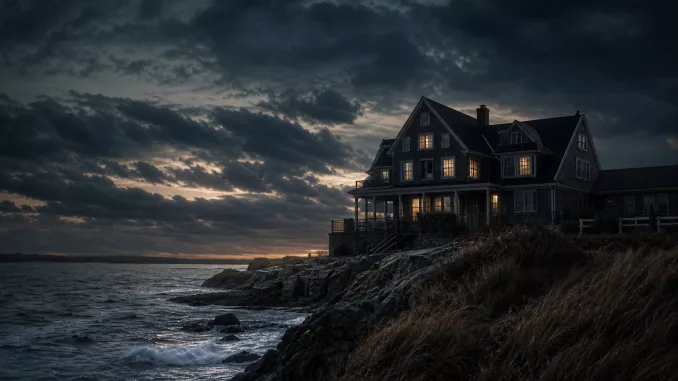
Based on the official Nicholas Sparks description, Remain follows New York architect Tate Donovan as he arrives in Cape Cod after the death of his sister and gets pulled into a love story threaded through grief, spirits, danger, and the hidden past of a woman named Wren. Sparks also frames the book as an “unprecedented collaboration” built from an original story by him and Shyamalan.
That description alone tells us a lot. Not plot secrets. Tone clues.
Night keeps circling grief, faith, and intimacy
If you strip away the marketing labels for a second, the shape of Remain sounds very Night. Loss. Mystery. A seemingly impossible layer of reality pressing in on ordinary people. Emotional vulnerability treated as the doorway into the strange rather than as a pause between suspense beats.
That is one reason I do not read this as Shyamalan simply borrowing Nicholas Sparks heat to try something commercial. I read it more as Night finding a collaborator whose lane overlaps with his in a surprisingly specific way. Sparks tends to work through longing, fate, memory, and wounds people carry into love. Night has spent years returning to grief, belief, family fracture, and the unseen pressures underneath human behavior. Put those together and you do not necessarily get a compromise. You might get a cleaner look at what both men already care about.
The romance angle is the interesting part
Night has never been emotion-averse, but romance has not usually been the banner hanging over his projects. Remain changes the framing. It suggests a version of a Shyamalan film where desire, connection, and the pull between two people are not side currents. They may be central to the whole design.
That does not make the movie less like Night to me. It may make it more revealing. Some of his strongest work has always depended on love carrying people into fear, sacrifice, or impossible decisions. Signs, The Village, Trap, even parts of Knock at the Cabin all understand that emotion sharpens suspense rather than weakening it.
It also looks like a project made by a filmmaker choosing range on purpose
One thing I appreciate here is that Night does not seem interested in becoming a self-impression machine. The easiest move after decades of branding would be to keep delivering the most marketable version of “an M. Night movie” over and over until the edges wear off. Remain does not read that way. It reads like a filmmaker still testing which combinations of genre, feeling, and myth he can make his own.
That makes me more curious, not less.
Why this matters now
Right now, Remain feels like a reminder that Night’s career is in a more flexible place than the old comeback narrative gives it credit for. He is not only revisiting earlier tricks. He is still widening the emotional register of the work.
If the collaboration lands, it could show us a version of late-period Shyamalan that is more openly romantic, more haunted, and maybe even more emotionally disarming than people expect. And honestly, that sounds like exactly the kind of risk a long-running filmmaker should be taking.

Be the first to comment