
People talk about M. Night Shyamalan movies for the endings, the dread, and the old twist shorthand. Fair enough. But the music does a shocking amount of the emotional heavy lifting, and if you follow it across the filmography, you can hear the movies themselves changing shape.
That is part of why this is such a good way into Night’s work. Scores reveal things that plot summaries flatten out. They tell you how mournful a movie really is, how severe it wants to feel, how much longing is hiding under the suspense. If you want an easy entry point into that side of the filmography, this is where I would begin.
Start with the James Newton Howard years
If you only know one name in the Shyamalan score story, it is James Newton Howard. For a long stretch, that partnership helped define the emotional sound of Night’s movies. It gave them ache, solemnity, fear, and a strange kind of spiritual reach all at once.
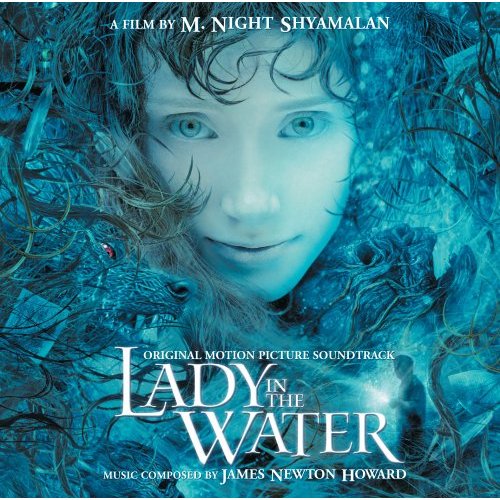
If you are starting from zero, I would begin with Signs, The Village, and Lady in the Water. Those three cover a lot of ground. Signs is nervous and bruised, always tightening the screws. The Village is lyrical and sorrowful, with Hilary Hahn’s violin giving it a beauty that still feels wounded. Lady in the Water is softer, more openly emotional, and honestly more rewarding musically than its reputation might suggest.
If you want the cleanest argument for why Night-and-Howard mattered, those are the albums I would hand over first.
Do not leave out The Sixth Sense and Unbreakable
They matter for different reasons. The Sixth Sense is quieter than people remember. It does not shove itself forward. It lingers at the edges and lets unease pool in the room. Unbreakable, by contrast, has some of the most mythic weight in the whole filmography. It treats comic-book destiny with an almost sacred seriousness, and the score is a big part of why that movie still feels distinct.
If your taste runs toward restraint, start with The Sixth Sense. If you want grandeur, go straight to Unbreakable.
The later shift is not a downgrade. It is a different mood.
One thing I really like about following Night’s music is that it does not stay fixed. The sound changes as the films change. The aching orchestral sweep of the Howard era gives way, in places, to leaner and rougher textures. That can throw people at first, especially if their favorite Night movies are from the earlier run, but it is part of what makes the soundtrack history interesting instead of repetitive.
That is why later work like Split, Glass, and Trap deserves to be heard on its own terms. West Dylan Thordson brought a harsher, more fractured sound to Split and Glass, which fits those movies better than a nostalgic James Newton Howard imitation would have. The edges are sharper because the films are sharper.
Trap is the easiest modern entry point
If a newer fan asks me where to begin with the post-Howard era, I would probably say Trap. The movie needs music in a very public way. Lady Raven’s songs are not just flavor. Saleka’s presence is part of the machine. Herdis Stefanisdottir’s score has to live beside all of that and still hold the movie together.
That makes Trap useful as a starting point because it shows how different Night’s music lane can look now. It is less purely symphonic than the older run, yes, but that is not a weakness. It is the sound of a different phase of his career.
If you want a simple listening path, use this
If you do not want to overthink it, I would go in this order:
- Signs for suspense and grief
- The Village for beauty and ache
- Unbreakable for mythic weight
- Lady in the Water for open-hearted emotion
- Split for fractured menace
- Glass for bleak continuation and payoff
- Trap for the newer performance-driven era
That is not the only route through Night’s music, but it gives you a strong feel for the range without sending you zigzagging all over the place.
Why this part of the filmography keeps rewarding rewatchers
Night’s films stay in your head because of images, yes, but also because of the feeling those images carry. A hallway. A field. A staircase. A family dinner where something is already breaking. The score often tells you how deep the wound goes before the scene says it out loud.
That is why I keep coming back to this lane. The music is not decorative frosting on top of the suspense. It tells you what emotional world each movie thinks it is living in. Once you start listening for that, the whole filmography gets richer.



Be the first to comment