
James Newton Howard’s score for Unbreakable is one of the keys to why the film feels so unlike the superhero movies that followed it. The music does not arrive with swagger. It arrives with weight. Howard writes for doubt, isolation, and buried purpose first, letting the score grow slowly as David Dunn begins to understand that his life may be part of something larger than he ever allowed himself to believe.
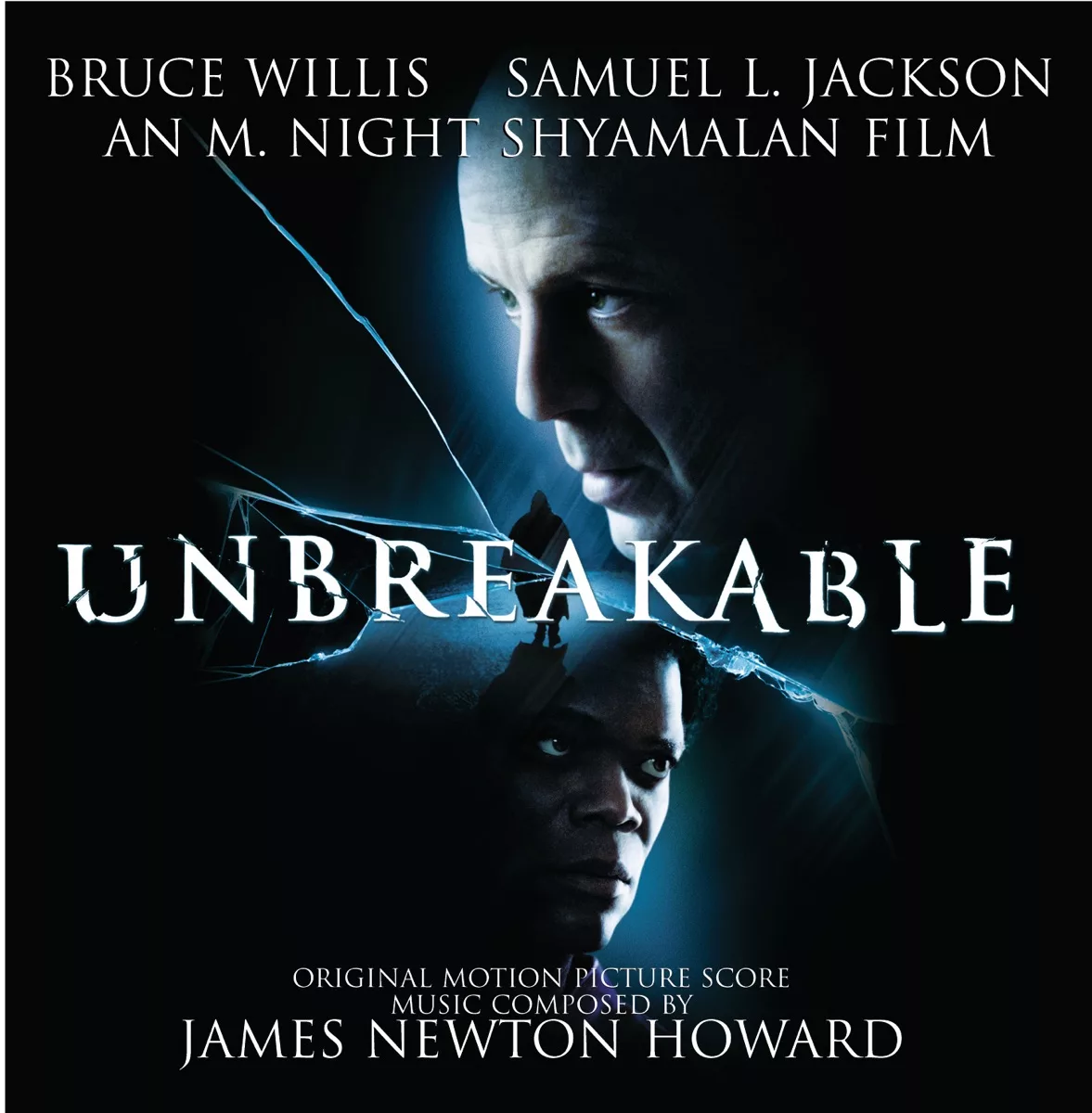
That slow build is exactly right for the film. Unbreakable is not interested in the bright, instant language of comic-book triumph. It is interested in the eerie realization that ordinary life may have been disguising something mythic all along. Howard’s music gives the movie that grave, patient tone. It moves with a kind of restrained grandeur, never rushing the revelation and never letting the audience forget that this story is also about sadness, marriage, fatherhood, and the quiet ruin inside David before he starts to wake up.
The score was released through Hollywood Records in 2000, and it remains one of the defining musical statements anywhere in Shyamalan’s body of work. By the time the film reaches its final turn, Howard’s writing has done more than support the scenes. It has helped build the whole atmosphere of discovery. Unbreakable would still be a fascinating film without it, but it would lose a great deal of its solemn power.